The History of MG Cars
A little about the history of the MG marque and the M.G. Car Co. Ltd (1930–1972).
List of Services
-
Overview of MGMore......... List Item 1
The story of MG cars is a vibrant tapestry woven with threads of innovation, sporting heritage, and British automotive passion. It began in the 1920s at Morris Garages in Oxford, where Cecil Kimber, a talented engineer and salesman, began modifying Morris cars to create sportier, more appealing models. These early "Morris Garages" specials quickly gained a following, leading to the formal establishment of the MG Car Company in 1924.
-
The History of MGMore ....... List Item 2
MG is a British automotive brand established by Cecil Kimber in the 1920s. M.G. Car Company Limited, the British sports car manufacturer that operated from 1930 to 1972, contributed significantly to the brand's fame. Since 2007, the brand has been under the ownership of SAIC Motor, a state-owned automaker from China.
-
The MG Car CompanyMore....... List Item 3
Morris Garages, established by William Morris on Longwall Street in Oxford, initially served as the local dealership for Morris automobiles. In 1921, Cecil Kimber joined the organization as the sales manager, quickly advancing to general manager the following year. Kimber began to enhance sales by creating distinctive variations of Morris cars.
-
Part of the Nuffield OrganisationMore.... List Item 4
William Morris personally owned MG, and during a restructuring of his various investments, he sold MG in 1935 to Morris Motors, which was the leading entity within his Morris Organization, later referred to as the Nuffield Organization.
-
As the British Motor Corporation (BMC)More....
he M.G. Car Company Limited became part of The British Motor Corporation Limited (BMC), formed in 1952 through the merger of Morris Motors Limited and The Austin Motor Company Limited. John Thornley, a long-serving manager, took on the role of general manager, guiding the company through its most successful years until retiring in 1969.
-
The MG MarqueMore....
The name of the marque stems from the initials of Morris Garages, William Morris's exclusive retail sales and service venture. It remained in active use from its founding in 1924 until 2005, with the exception of the Second World War, and resumed operations under Chinese ownership in 2007.
-
The Marque -British Leyland (1968-1990)More....
After partial nationalization in 1975, BLMC transformed into British Leyland (later abbreviated to BL). The management and engineering teams at British Leyland primarily consisted of members from the former Leyland organization, which notably included MG's historical rival, Triumph.
-
The Marque - Rover Group (1992-2000)More....
In 1995, the MG F marked the debut of a completely new MG model since the MGB. Following the transition from British Leyland (BL) to the Rover Group in 1986, ownership of the MG brand shifted to British Aerospace in 1988 and then to BMW in 1994.
-
The Marque - MG Rover (2000–2006)More....
In 2000, BMW divested its interests, passing the MG brand to the MG Rover Group located in Longbridge, Birmingham. The practice of offering distinctive MG sports cars alongside Rover’s badge-engineered models continued. However, the Group entered receivership in 2005, leading to the cessation of car production on April 7, 2005.
-
The Marque - MG Motors (2006-Present)More.....
On July 22, 2005, the Chinese manufacturer Nanjing Automobile Group acquired the rights to the MG brand along with various assets from the MG Rover Group, establishing NAC MG UK Limited. In 2007, Nanjing Automobile was purchased by another Chinese firm, SAIC Motor, and in 2009, NAC MG UK Limited was rebranded as MG Motor UK Limited.
-
ModelsMore....
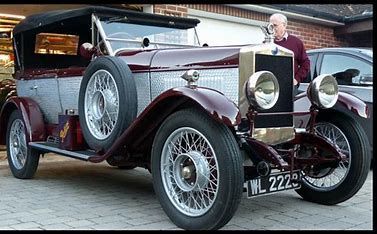
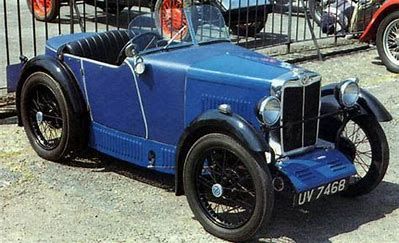
The earliest model, the 1924 MG 14/28, featured a new sporty body mounted on a Morris Oxford chassis. This model evolved through several versions aligning with updates to the Morris. The first true MG, distinct from a modified Morris, was the 1928 MG 18/80, which showcased a purpose-built chassis and introduced the iconic vertical MG grille. In 1929, a smaller vehicle emerged—the M-Type Midget—derived from the 1928 Morris Minor chassis, marking the beginning of a long lineage of Midgets.
Overview
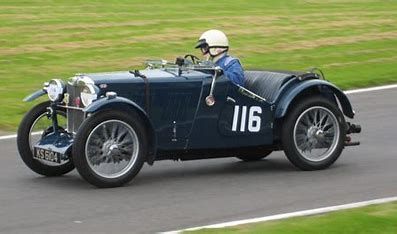
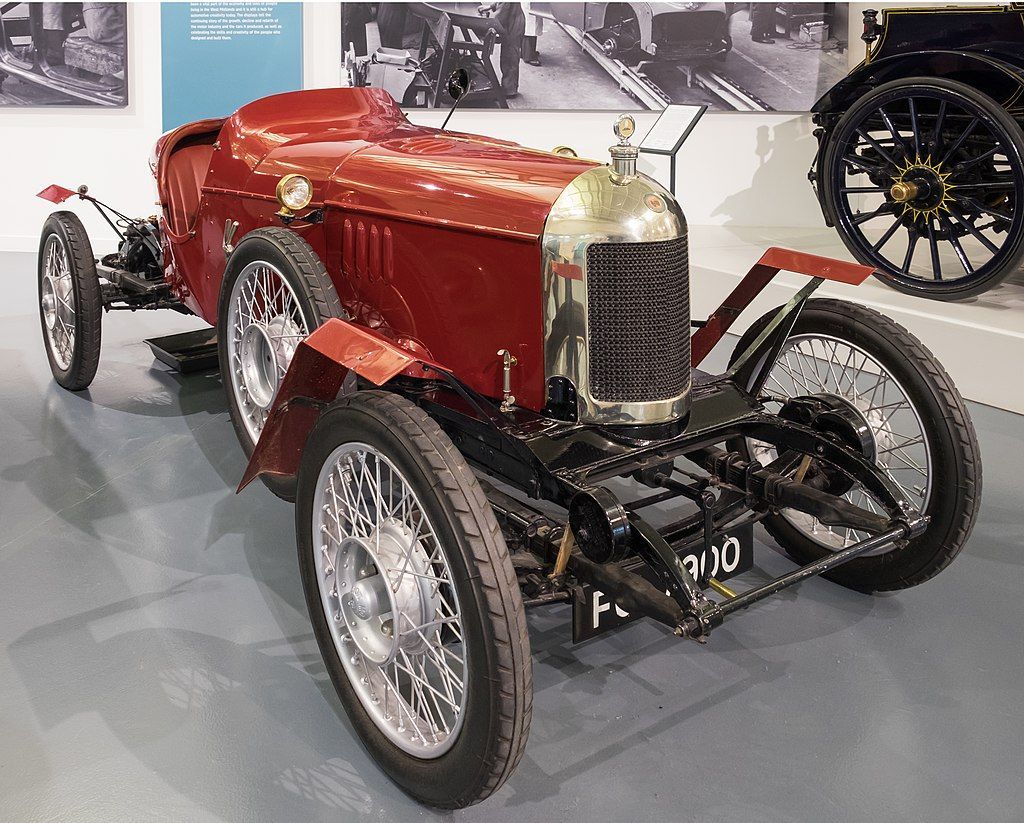
The story of MG cars is a vibrant tapestry woven with threads of innovation, sporting heritage, and British automotive passion. It began in the 1920s at Morris Garages in Oxford, where Cecil Kimber, a talented engineer and salesman, began modifying Morris cars to create sportier, more appealing models. These early "Morris Garages" specials quickly gained a following, leading to the formal establishment of the MG Car Company in 1924. From the outset, MG focused on producing affordable and stylish open-top sports cars, like the iconic M-Type Midget, which captured the hearts of motoring enthusiasts.
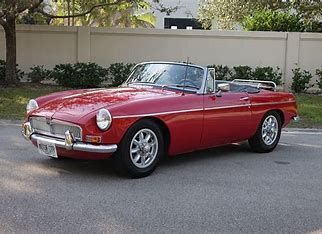
The 1950s and 60s saw MG reach its peak, with iconic models like the MGA and MGB becoming global successes. These cars embodied the spirit of open-top motoring and offered a relatively affordable entry point into the world of sports cars. However, as part of the British Motor Corporation (BMC) and later British Leyland, MG faced increasing challenges. Despite the enduring popularity of the MGB, the company struggled with inconsistent management, labor disputes, and declining quality control. Production faltered, and the Abingdon factory, the heart of MG, closed in 1980.
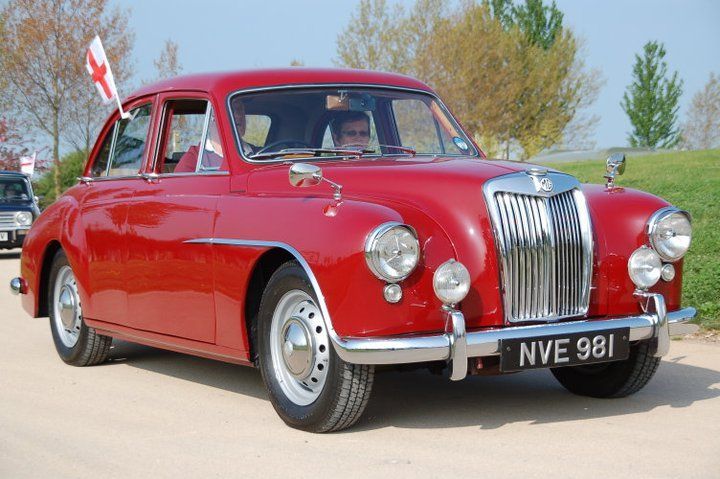
Throughout the interwar years, MG cemented its reputation for performance and style. The company actively participated in motorsport, achieving numerous victories in prestigious races, further enhancing its image and showcasing the durability of its vehicles. Models like the Magnette and K-Type offered a blend of performance and elegance, appealing to a wider audience. World War II temporarily halted production, but MG emerged in the post-war era with models like the TC, a quintessential British sports car that proved immensely popular abroad, particularly in the burgeoning American market.
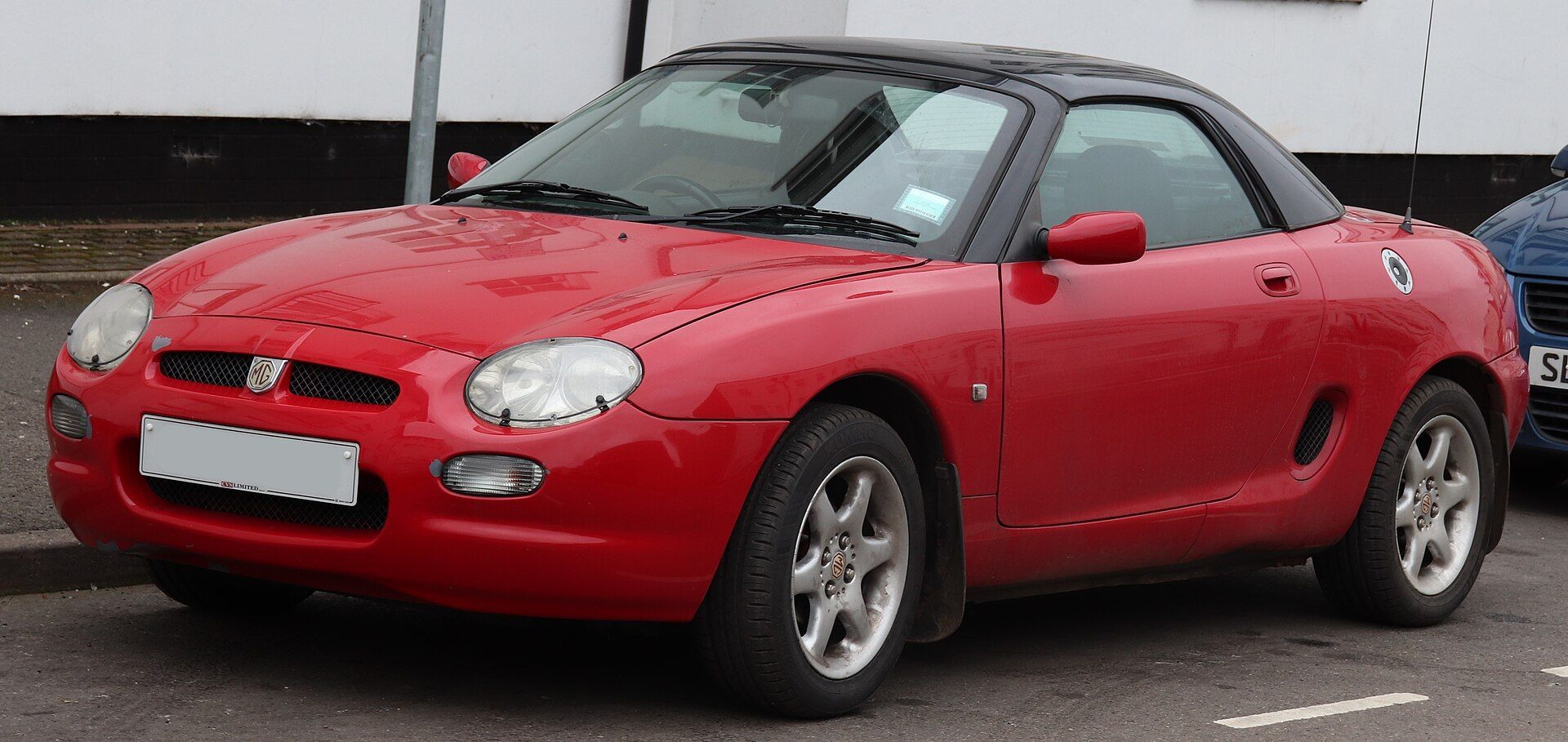
The MG brand limped on under various owners, including Rover Group and BMW, but experienced a period of relative dormancy. A revival attempt in the early 2000s with models like the MG TF met with limited success before the company ultimately fell under Chinese ownership by Nanjing Automobile in 2005, later merging with SAIC Motor. Under SAIC, MG has undergone a significant transformation, focusing on producing modern, mass-market vehicles with a strong emphasis on electric and hybrid technology, while still attempting to evoke the sporting heritage of the brand's illustrious past.
The History of MG
MG is a British automotive brand established by Cecil Kimber in the 1920s. M.G. Car Company Limited, the British sports car manufacturer that operated from 1930 to 1972, contributed significantly to the brand's fame. Since 2007, the brand has been under the ownership of SAIC Motor, a state-owned automaker from China.
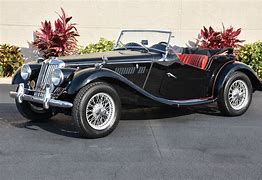
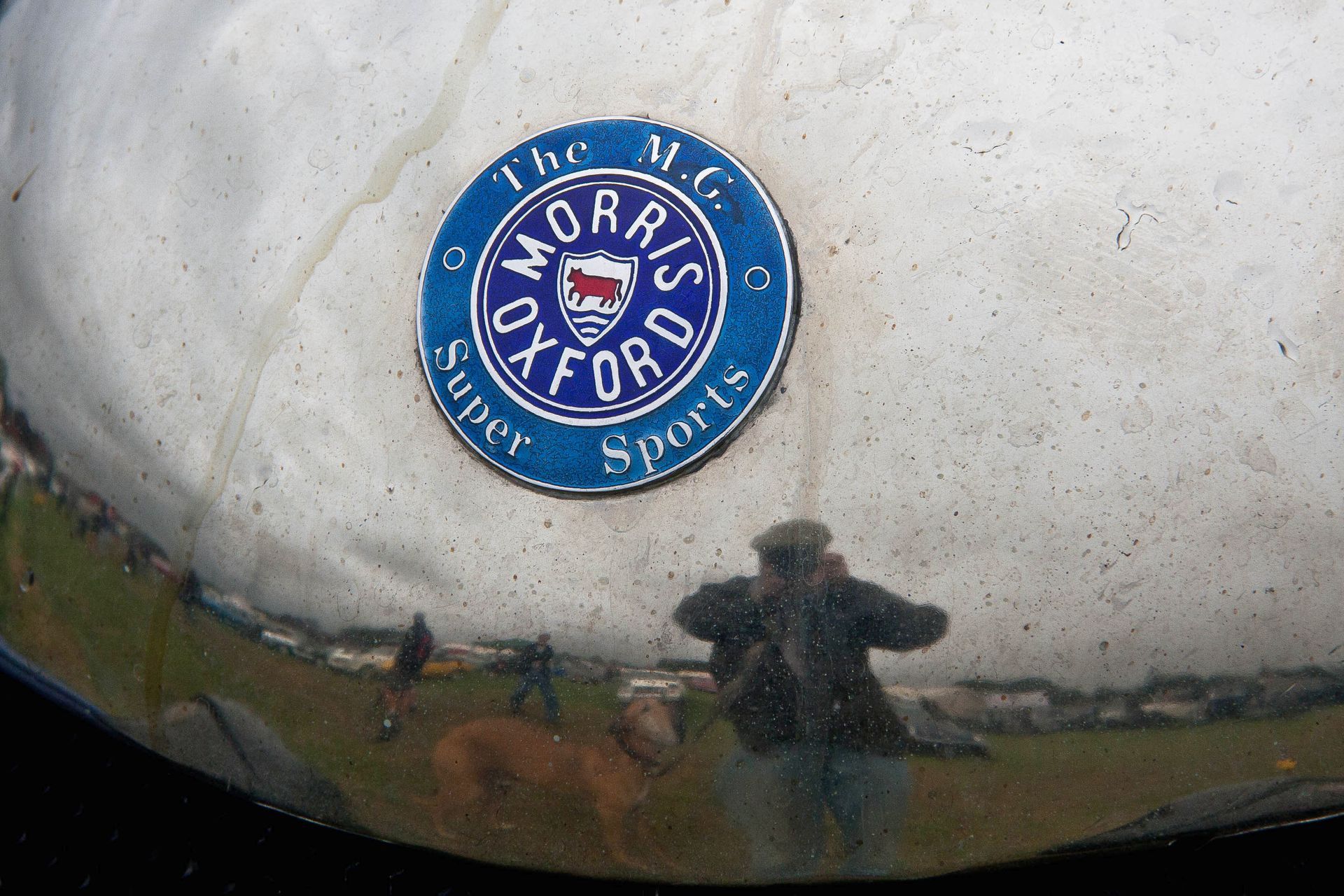
The origins of MG cars can be traced back to a 1920s promotional venture of Morris Garages, a retail sales and service center in Oxford owned by William Morris. Cecil Kimber, the manager of the business, modified standard production Morris Oxfords and placed "MG Super Sports" on the cars' front plates. In July 1930, a separate entity, M.G. Car Company Limited, was incorporated. It remained the personal asset of Morris until July 1, 1935, when he sold it to his holding company, Morris Motors Limited.
The MG Car Company Limited
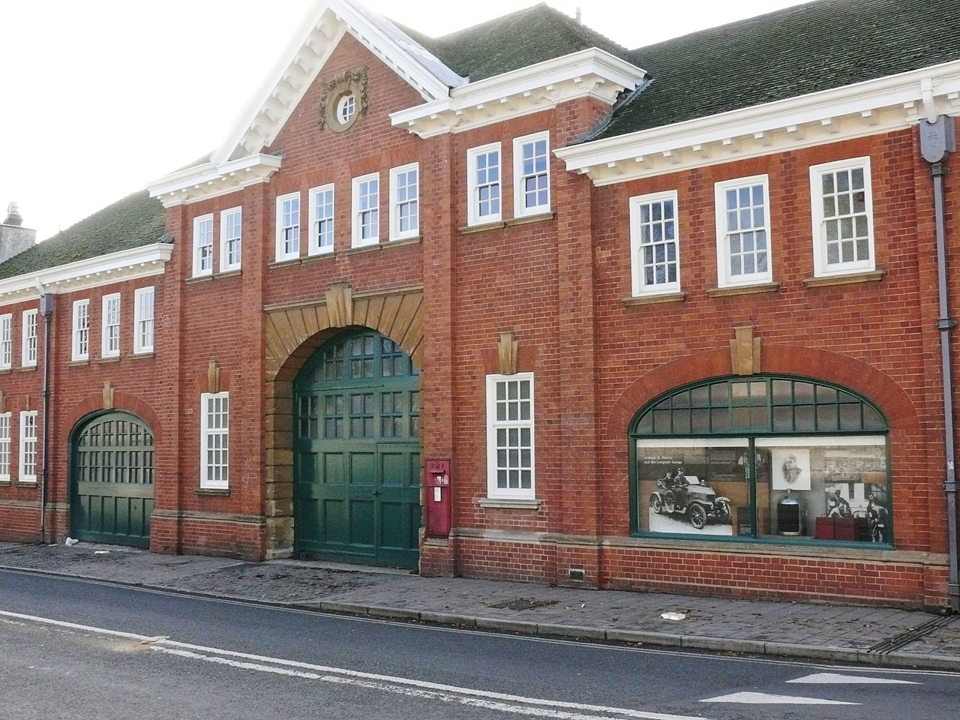
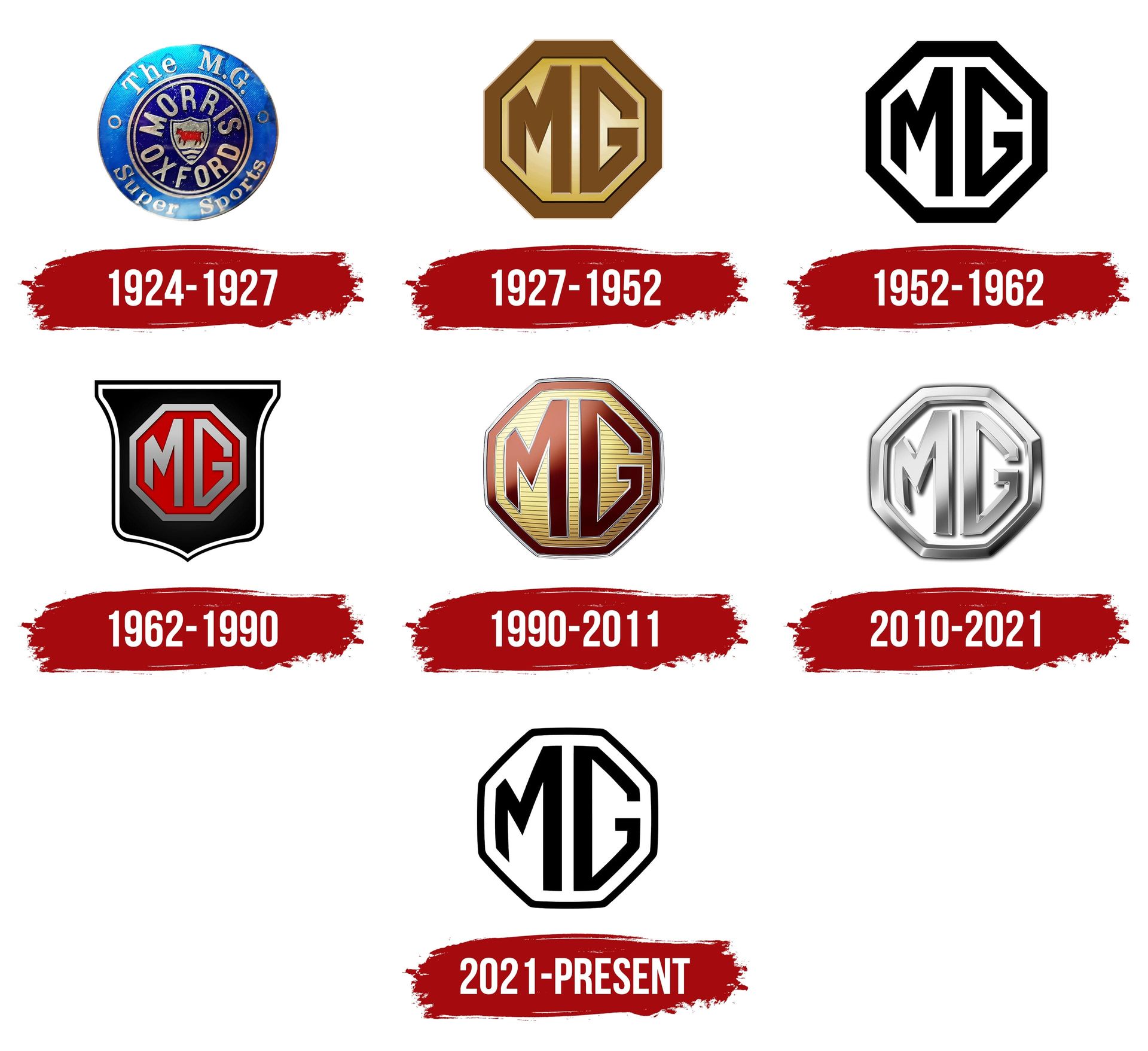
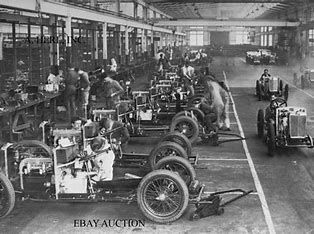
Morris Garages, established by William Morris on Longwall Street in Oxford, initially served as the local dealership for Morris automobiles. In 1921, Cecil Kimber joined the organization as the sales manager, quickly advancing to general manager the following year. Kimber began to enhance sales by creating distinctive variations of Morris cars. Although the precise timeline for the beginning of MG car production is subject to debate, the earliest models—rebodied Morris cars featuring coachwork from Carbodies of Coventry—were known as "Kimber Specials" and carried both Morris and MG badges. The first appearance of MG, marked by the octagon emblem, was noted in an Oxford newspaper in November 1923, and Morris Garages officially registered the MG Octagon as a trademark on May 1, 1924. The vehicles were assembled at facilities located on Alfred Lane in Oxford. As demand surged, the company moved to larger premises on Bainton Road in September 1925, sharing the space with the Morris radiator works. An additional expansion in 1927 led them to a dedicated factory on Edmund Road in Cowley, Oxford, conveniently close to the main Morris factory, which allowed for the implementation of a production line for the very first time. By 1928, the company had developed enough to establish a separate identity from the original Morris Garages, adopting the name The M.G. Car Company that March. In October, they proudly presented their offerings for the first time at the London Motor Show. However, space constraints soon arose again, leading to the search for a more permanent home, which resulted in them leasing part of an old leather factory in Abingdon, Oxfordshire, in 1929. A limited liability company, known as M.G. Car Company, was officially incorporated on July 21, 1930. Kimber remained with the business until 1941, when disagreements with Morris regarding wartime contracts resulted in his sudden dismissal. Tragically, Kimber died in the King's Cross railway accident in February 1945.
MG experienced numerous ownership transitions throughout its history. In 1952, Morris's Nuffield Organization combined with Austin to form the British Motor Corporation Limited (BMC). In 1967, its operations were rebranded as the MG Division of BMC, becoming part of the 1968 merger that established the British Leyland Motor Corporation (BLMC). The MG brand was subsequently used by BLMC's successors: British Leyland, the Rover Group, and, by the dawn of 2000, the MG Rover Group, which fell into receivership in 2005. The MG brand, along with other MG Rover assets, was acquired by Nanjing Automobile Group (which merged into SAIC Motor in 2007). The production of MG vehicles resumed in 2007 under Chinese ownership. On 26 June 2011, the MG6 was launched, marking the brand's first new model in the UK in 16 years.
Part of the Nuffield Organization
William Morris personally owned MG, and during a restructuring of his various investments, he sold MG in 1935 to Morris Motors, which was the leading entity within his Morris Organization, later referred to as the Nuffield Organization.
As the British Motor Corporation (BMC)
The M.G. Car Company Limited became part of The British Motor Corporation Limited (BMC), formed in 1952 through the merger of Morris Motors Limited and The Austin Motor Company Limited. John Thornley, a long-serving manager, took on the role of general manager, guiding the company through its most successful years until retiring in 1969. Throughout the BMC period, many MG models were essentially rebadged versions of other brands, with the notable exception of the compact MG sports cars. In September 1966, BMC merged with Jaguar Cars, and by December, the new entity was renamed British Motor Holdings (BMH). BMH subsequently combined with the Leyland Motor Corporation in 1968, leading to the formation of the British Leyland Motor Corporation (BLMC).
As the British Leyland Motor Corporation (BLMC)
At this stage, MG had become merely a brand under BLMC, and from around 1972 onward, the name "M.G. Car Company Limited" was no longer used.
The MG Marque
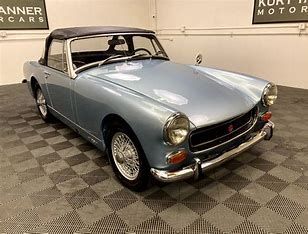
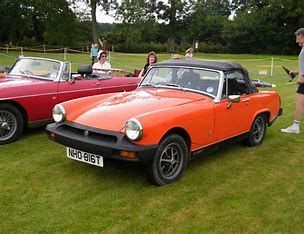
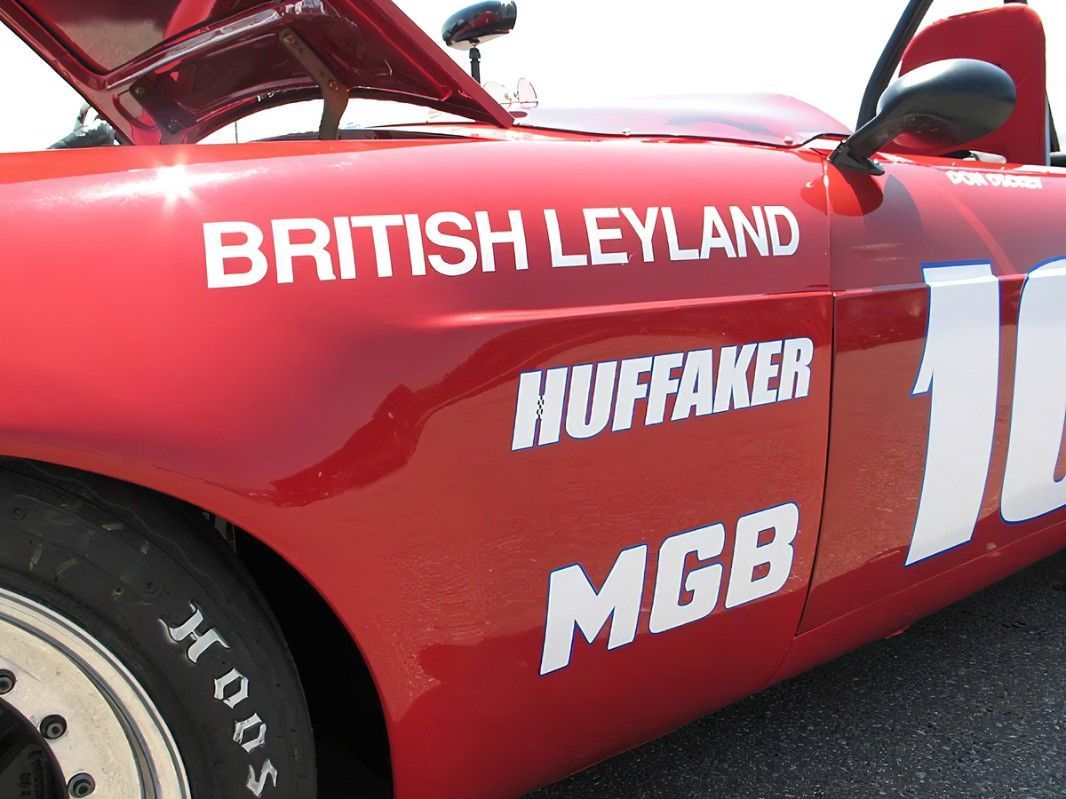
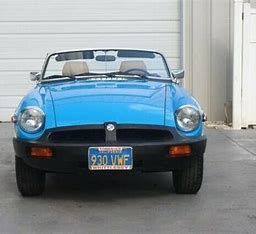
The name of the marque stems from the initials of Morris Garages, William Morris's exclusive retail sales and service venture. It remained in active use from its founding in 1924 until 2005, with the exception of the Second World War, and resumed operations under Chinese ownership in 2007. Initially, the marque primarily represented two-seater sports cars produced at the M.G. Car Company factory located in Abingdon, approximately 10 miles (16 km) south of Oxford.
The Marque - Rover Group
(1992-2000)
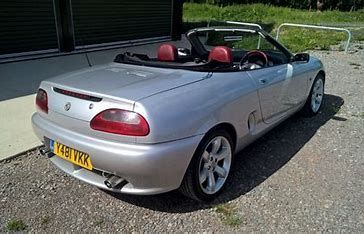
In 1995, the MG F marked the debut of a completely new MG model since the MGB. Following the transition from British Leyland (BL) to the Rover Group in 1986, ownership of the MG brand shifted to British Aerospace in 1988 and then to BMW in 1994. The MG name was revived for the second time in 1992 with the introduction of the MG RV8, soon followed by the mid-engined MG F in 1995, which enjoyed greater success than the brief-lived RV8.
The Marque - MG Rover
(2000–2006)
In 2000, BMW divested its interests, passing the MG brand to the MG Rover Group located in Longbridge, Birmingham. The practice of offering distinctive MG sports cars alongside Rover’s badge-engineered models continued. However, the Group entered receivership in 2005, leading to the cessation of car production on April 7, 2005. By 2003, the site of the former Abingdon factory housed a McDonald's and the Thames Valley Police, with only the old office block remaining. The headquarters of the MG Car Club (established in 1930) is located next door.
In 2006, it was reported that an initiative known as Project Kimber, spearheaded by David James, had engaged in discussions with Nanjing to acquire the MG brand, intending to create a range of sports cars based on the discontinued Smart Roadster design from DaimlerChrysler. However, no agreement was reached, leading to the adoption of the AC Cars brand for the new model instead. By 2009, the project seemed inactive and was ultimately abandoned.
The Marque - British Leyland
(1968 - 1990)
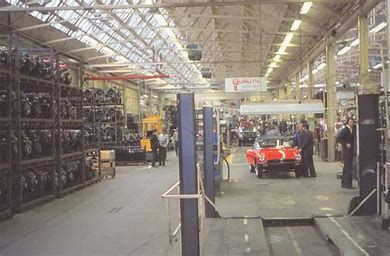
After partial nationalization in 1975, BLMC transformed into British Leyland (later abbreviated to BL). The management and engineering teams at British Leyland primarily consisted of members from the former Leyland organization, which notably included MG's historical rival, Triumph. Triumph was integrated into BL's Specialist Division alongside Rover and Jaguar, while MG was kept with the other former BMC brands within the Austin-Morris Division, primarily focused on mass-production family vehicles. Although new Triumph models such as the TR7 and Dolomite were introduced during the 1970s, no new MG models were launched aside from a limited-production V8 version of the MGB. While MG operations proved profitable, these gains were completely overshadowed by the substantial losses experienced by the rest of the Austin-Morris division. Consequently, any support allocated to the Division within BL was directed toward urgently needed mass-market models, leaving MG with scant resources to develop and sustain its existing model lineup, which gradually became outdated. Faced with a combination of economic challenges and internal and external political pressures, the Abingdon factory was closed on 24 October 1980 as part of a severe cutback strategy aimed at revitalizing BL after the tumultuous decade of the 1970s. The final vehicle produced there was the MGB, and following the closure of the Abingdon plant, the MG brand was momentarily set aside, with BL deciding against an immediate direct successor to the MGB or Midget.
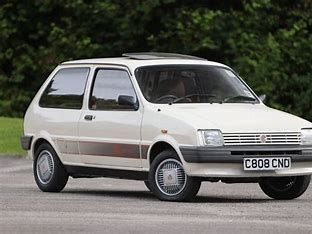
From 1982 to 1991, the MG brand was utilized to badge-engineer sportier variants of Austin Rover's Metro, Maestro, and Montego lines. The MG brand was not fully revived until 1992, with the introduction of the MG RV8 – a revitalized MGB Roadster equipped with a Rover V8 engine, which was unveiled at the 1992 Birmingham Motor Show, with low-volume production starting in 1993.
The Marque - MG Motors
(2006-Present)
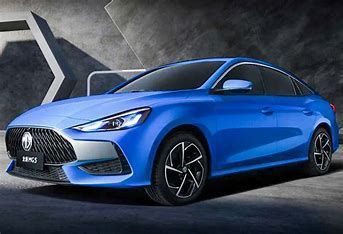
On July 22, 2005, the Chinese manufacturer Nanjing Automobile Group acquired the rights to the MG brand along with various assets from the MG Rover Group, establishing NAC MG UK Limited. In 2007, Nanjing Automobile was purchased by another Chinese firm, SAIC Motor, and in 2009, NAC MG UK Limited was rebranded as MG Motor UK Limited. Since then, the MG brand has been managed by SAIC as part of the company's passenger vehicle division.
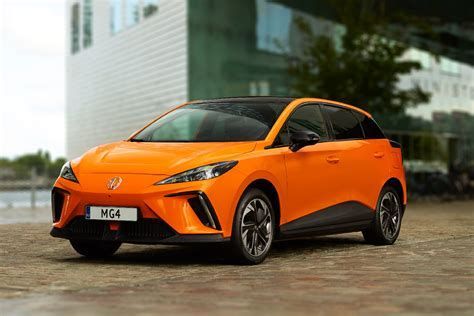
The MG6, the first completely new MG model in 16 years, was officially unveiled in June 2011, with production taking place in both China and the UK at the Longbridge facility. However, in September 2016, MG Motor ceased car production at Longbridge, citing "improving production scale efficiencies" as the reason for the closure. Since then, MG vehicles have been imported from China to the UK.
Following the acquisition of the brand, SAIC has positioned MG as its primary international offering. The marque has also distinguished itself as the largest single-brand car exporter from China since 2019, with 88 percent of its sales originating from outside China as of 2023. In addition to offering vehicles designed by its parent company SAIC Motor for the MG brand, MG Motor also markets rebadged models from SAIC, including those from Roewe and Maxus, as well as from its corporate affiliate SAIC-GM-Wuling.
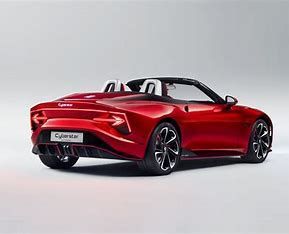
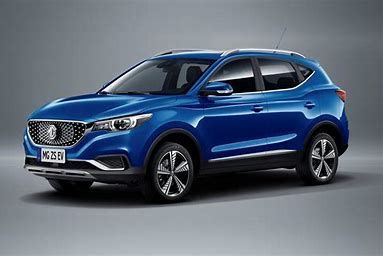
Among MG Motor's offerings, the MG ZS subcompact SUV has emerged as the most popular choice in international markets, with cumulative sales reaching 999,612 units by December 2023, making it one of the top cars exported from China. In 2023, MG Motor introduced its first roadster, the Cyberster electric vehicle, which is set to become available for sale in 2024.
Models
The earliest model, the 1924 MG 14/28, featured a new sporty body mounted on a Morris Oxford chassis. This model evolved through several versions aligning with updates to the Morris. The first true MG, distinct from a modified Morris, was the 1928 MG 18/80, which showcased a purpose-built chassis and introduced the iconic vertical MG grille. In 1929, a smaller vehicle emerged—the M-Type Midget—derived from the 1928 Morris Minor chassis, marking the beginning of a long lineage of Midgets. MG carved out a reputation for itself in the nascent days of international automobile racing. From its inception, and continuing through the post-World War II era, MG created the renowned T-Series Midgets, which unexpectedly garnered global success. Among these models were the MG TC, MG TD, and MG TF, all of which were based on the pre-war MG TB, receiving updates with each iteration.
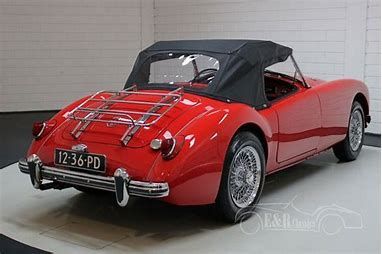
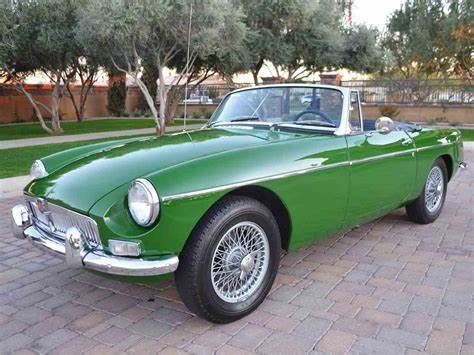
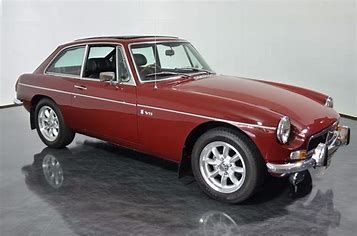
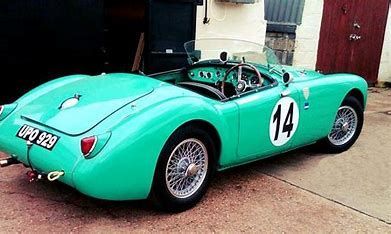
MG broke away from its previous line of Y-Type saloons and pre-war designs, launching the MGA in 1955. In 1962, the MGB was introduced to meet the growing demand for a sleeker and more comfortable sports car. This was followed in 1965 by the fixed head coupe (FHC), known as the MGB GT. The MGB, which underwent constant updates to adhere to increasingly strict emissions and safety regulations in the United States, was produced until 1980. Between 1967 and 1969, a short-lived variant known as the MGC was introduced. The MGC featured a larger (and heavier) six-cylinder engine, which unfortunately impacted its handling performance. In 1961, MG also launched the MG Midget, a re-badged and slightly redesigned second-generation Austin-Healey Sprite. To the disappointment of many fans, the 1974 MGB was the final model to feature chrome bumpers, as new safety regulations in the United States mandated thick black rubber bumpers, which some believed detracted from the car's aesthetics. In 1973, the MGB GT V8 was released, equipped with the ex-Buick Rover V8 engine, and this model continued production until 1976. Like the MGB, the Midget's design saw numerous changes until the closure of the Abingdon factory in October 1980, marking the end of its production. The MG badge was also associated with various BMC saloons, including the BMC ADO16 models (as the MG 1100, 1275, and 1300), which were available as Rileys but marketed with MG as the more "sporty" option.
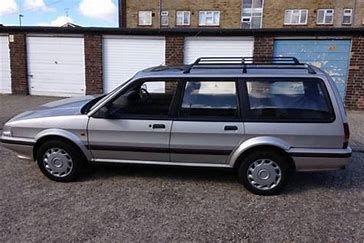
The brand continued to thrive beyond 1980 under BL, gracing a selection of Austin saloons such as the Metro, Maestro, and Montego. In New Zealand, the MG emblem even made its appearance on the late 1980s Montego estate, known as the MG 2.0 Si Wagon. There was a fleeting competitive chapter with a mid-engined, six-cylinder variant of the Metro. Production of the MG Metro concluded in 1990 with the debut of a Rover-only model. The MG Maestro and MG Montego remained available until 1991, when Rover decided to streamline production and focus on the more contemporary 200 Series and 400 Series. High-performance Rover Metro, 200, and 400 GTi models hit the market in late 1989 and throughout 1990, coinciding with the discontinuation of the MG version of the Metro in 1990, and the elimination of the Maestro and Montego versions in 1991.
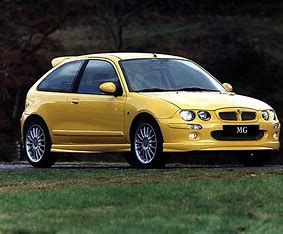
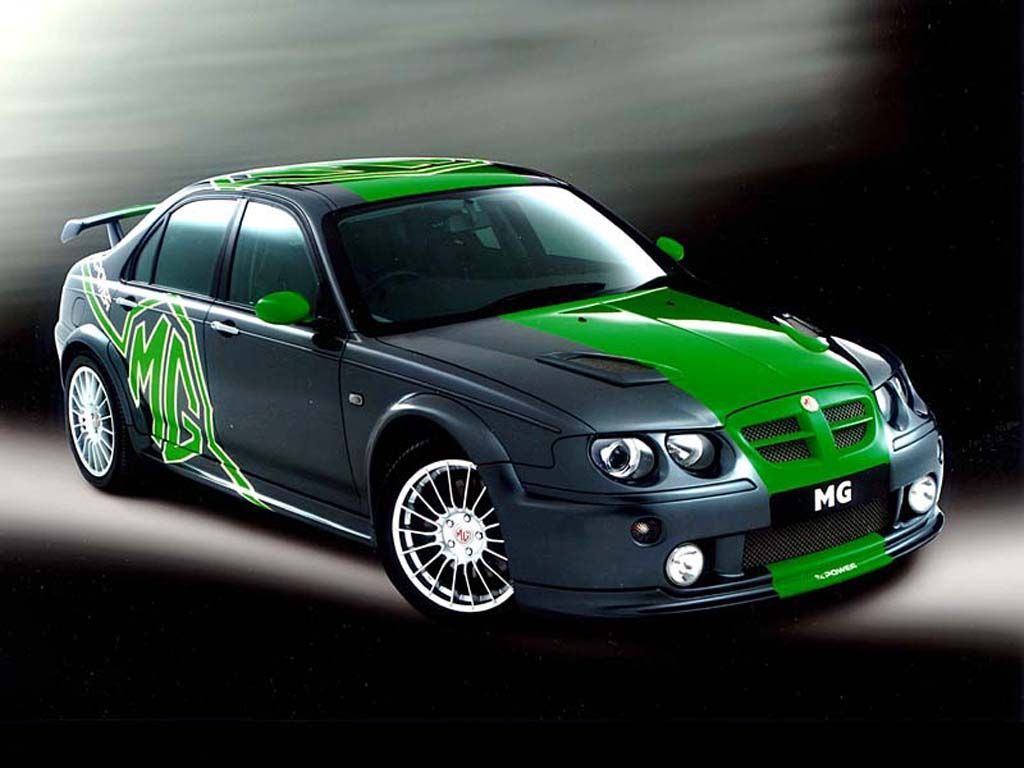
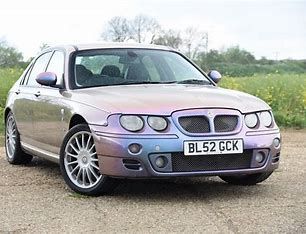
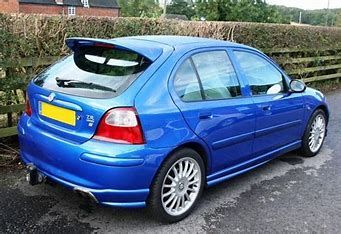
In 1992, the Rover Group reintroduced the two-seater with the MG RV8. The completely new MG F was launched in 1995, marking the first mass-produced "true" MG sports car since the MGB ended its run in 1980. After the Phoenix Consortium acquired the MG and Rover brands in May 2000 and established the new MG Rover Group, the MG lineup was bolstered in the summer of 2001 with the addition of three sports models derived from the current Rover range. The MG ZR was based on the Rover 25, the MG ZS on the Rover 45, and the MG ZT/ZT-T on the Rover 75. The MG Rover Group also acquired Qvale, which had taken over the development of the De Tomaso Bigua. This vehicle, rebranded as the Qvale Mangusta and already green-lit for sale in the United States, laid the groundwork for the MG XPower SV, an "extreme" V8-powered sports car, which was unveiled in 2002 and entered the market in 2004.
From its inception, MG has been a formidable presence in motorsport, with dedicated racing cars like the 1931 C-Type and 1934 Q-type being crafted for enthusiasts who received substantial support from the company. However, this initiative came to an end in 1935 when MG merged with Morris Motors, leading to the closure of its Competition Department. During this period, several experimental vehicles were developed, enabling Captain George Eyston to break multiple world speed records. Despite the formal ban on racing, attempts to set speed records persisted, culminating in Goldie Gardner surpassing 200 mph (320 km/h) in the 1100 cc EX135 in 1939.
After World War II, record-breaking endeavors resumed, with achievements in the 500 cc and 750 cc categories occurring in the late 1940s. The decision was made to return to competitive racing, and a team of MGAs participated in the tragic 1955 24 Hours of Le Mans, with the top car finishing in 12th place. The British Motor Corporation (BMC) competition department, housed at the Abingdon plant, produced numerous victorious rally and race cars until the factory's closure and the end of MGB production in autumn 1980. Before the Toyota Tundra silhouette's introduction in the Craftsman Truck Series, MG was recognized as the last foreign brand to compete in NASCAR, driven by Smokey Cook in 1963.
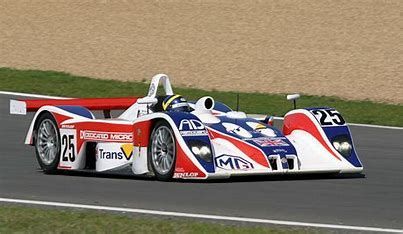
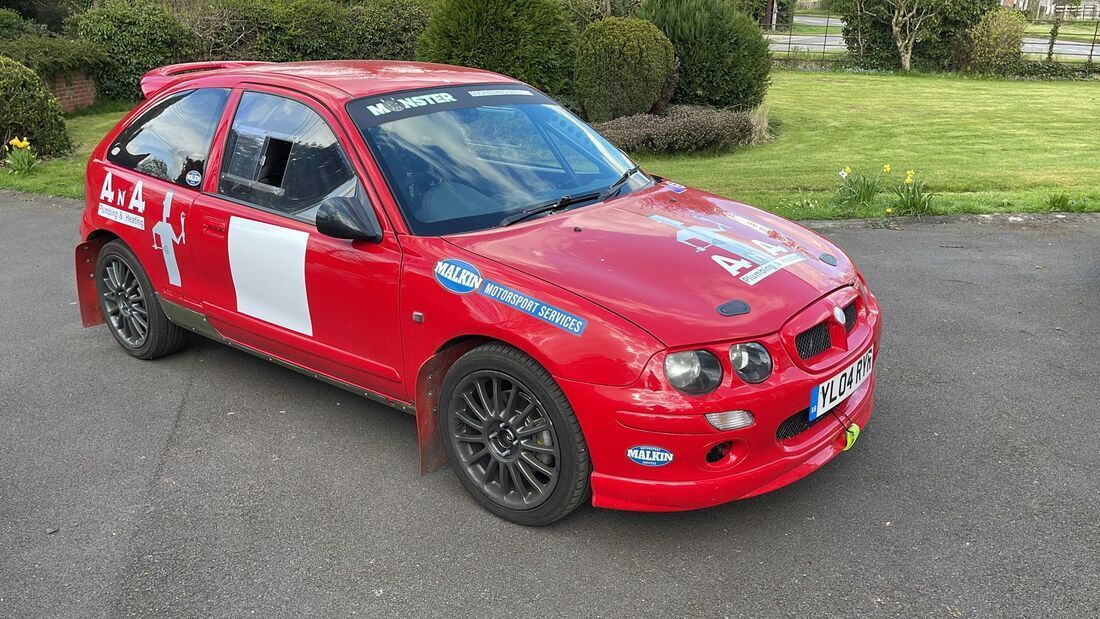
In 2001, MG revived its motorsport initiatives, participating in the 24 Hours of Le Mans (MG-Lola EX257), British Touring Car Championship (BTCC) with the MG ZS, as well as the British and World Rally Championships and the MG Independent British Rally Championship (MG ZR). The Le Mans team fell short of securing victories in 2001 and 2002, ultimately withdrawing in 2003. MG Sport+Racing competed in the BTCC with the MG ZS as a factory team between 2001 and 2003, while WSR raced the MG ZS as a privateer team in 2004. After three years without a major sponsor, WSR partnered with RAC in 2006, forming Team RAC. In 2007, an MG ZR driven by BRC Stars Champion Luke Pinder clinched victory in class N1 at Wales Rally GB, the British leg of the World Rally Championship. The MG British Rally Challenge continues to thrive today, despite the company's liquidation in 2005.
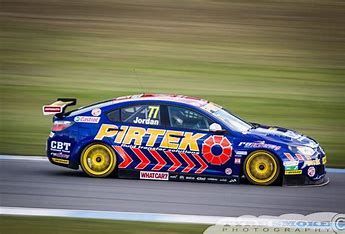
In 2004, plans to compete in the Deutsche Tourenwagen Masters (DTM) with a heavily modified V8-powered ZT supertouring car were thwarted by MG Rover's liquidation in April 2005. Fast forward to January 2012, MG Motor announced its entry into the 2012 British Touring Car Championship with the newly formed MG KX Momentum Racing team. In their inaugural season, the team fielded two MG6s, driven by Jason Plato and Andy Neate. Jason finished the season in third place, although the car struggled in wet conditions. The team returned in 2013 with Sam Tordoff behind the wheel, who had a commendable debut year after joining through the KX Academy scheme. Plato once again secured third place, while Tordoff finished sixth. Notably, MG clinched the Manufacturer's Championship in 2014, ending Honda's four-year dominance. In just three years of competition, the MG6 GT secured the title by an impressive 95 points at the season finale held at Brands Hatch. Drivers Plato and Tordoff collectively achieved seven wins and 20 podium finishes throughout the 30-race season. Plato concluded the Driver's Championship in second place, trailing Colin Turkington, with Tordoff in seventh. In 2014, a third MG6 GT joined the grid, driven by Marc Hynes—also maintained by Triple Eight but sporting a new livery distinct from the other two MG cars. In 2015, MG finished second in the Constructors Championship, led by Andrew Jordan, who wrapped up the season in fifth place.